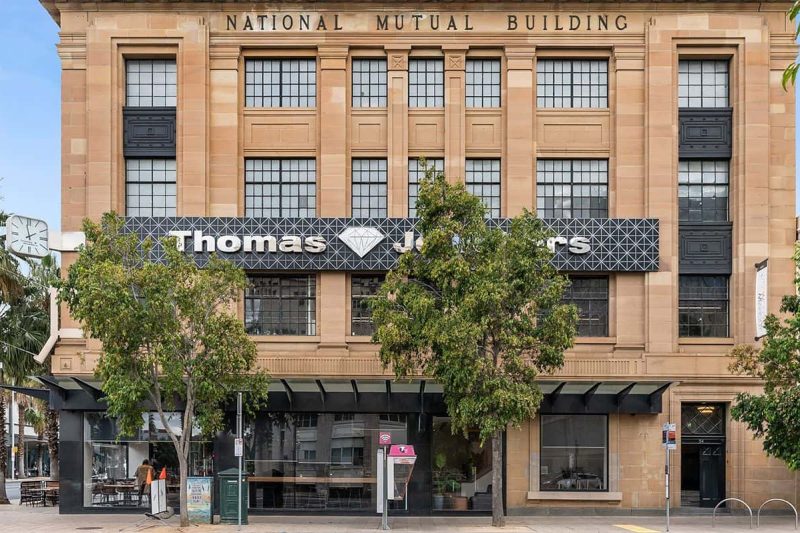
Leading coworking operator WOTSO is partnering with Batman Group in post-industrial Geelong, now one of Australia’s fastest-growing cities after a remarkable transformation over the past 25 years.
Batman Group has played a major role in Geelong’s evolution, buying and renovating numerous older buildings in central Geelong to create the buzzing Little Malop Street hospitality precinct next to the 1925 heritage building WOTSO will call home.
It’s WOTSO’s first foray into regional Victoria and follows an approach from Paul Votsaris, a director of Batman Group, who says there’s a significant opportunity for a creative coworking space in the bayside city, where the population will top 300,000 this year.
“I approached WOTSO specifically because it understands regional markets and I believe its model really fits Geelong where there’s a big hole in the market for the type of creative coworking space that WOTSO provides,” Votsaris says.
“What WOTSO does really well is create creative spaces for entrepreneurs and businesses to come in and activate new space and bring more businesses to the traders in the area.
“So it’s a win-win situation, really great for everyone, that’s why we love the WOTSO model.”
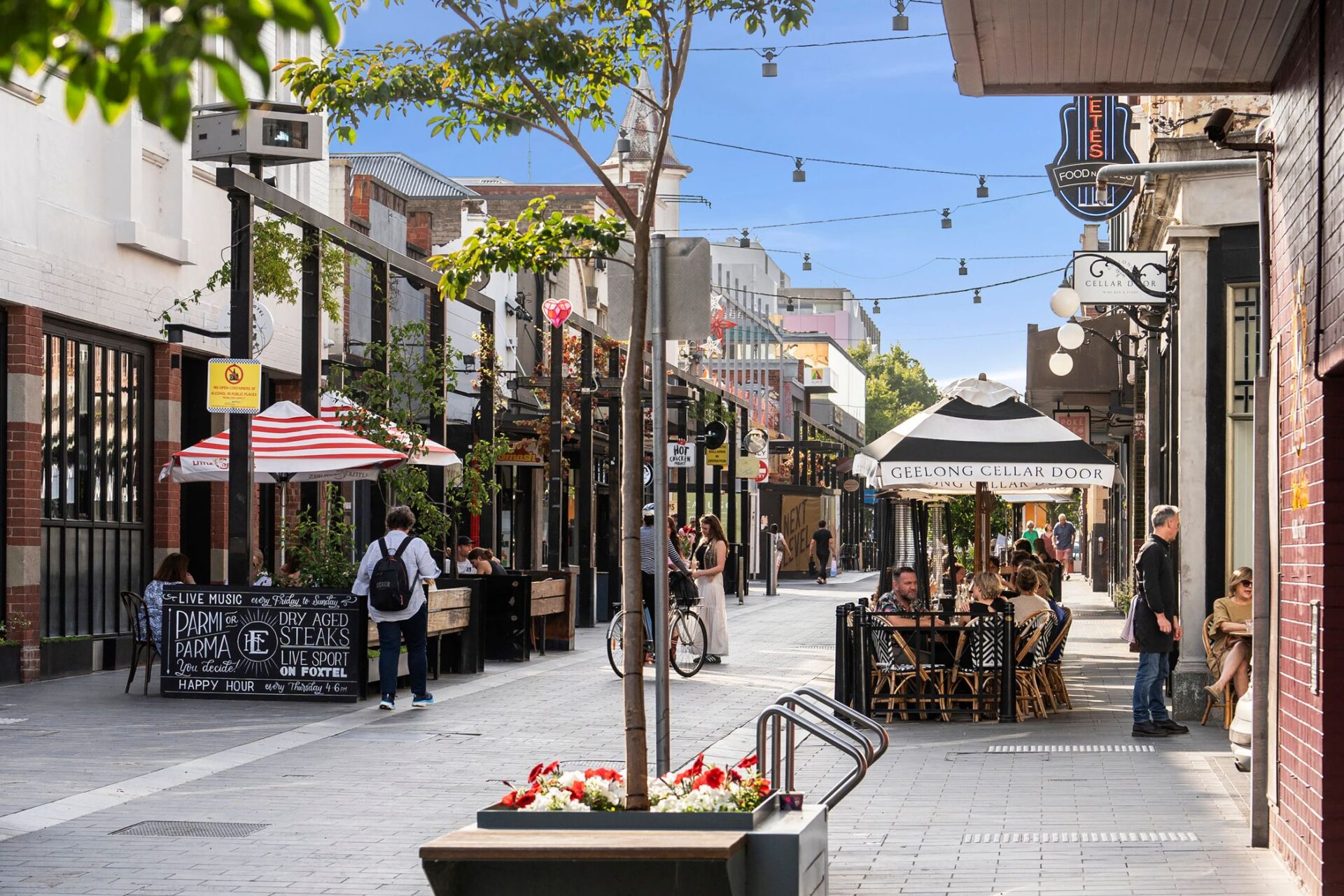
Geelong Mayor Stretch Kontelj says Geelong is rapidly evolving and welcomed WOTSO to the city, one hour from Melbourne, where many of the new arrivals have embraced hybrid work.
“This partnership between WOTSO and the Batman Group is spot on,” says Mayor Kontelj.
WOTSO regional manager Millie Davies-Rowe says Geelong will be WOTSO’s 39th coworking space in Australia and New Zealand – most of them in suburban and regional areas – and will complement its two Melbourne locations.
“I’m excited about what our new space in Geelong represents for our members and for the city. Geelong is experiencing extraordinary growth, and our heritage space sits right in the heart of the CBD,” she says.
“It’s the perfect blend of character, convenience, and opportunity.”
Mayor Kontelj says Geelong faced major challenges in the 1990s and early 2000s when major employers including Ford Motor Company, Alcoa, Pilkington and Hendersons closed.
“There were very hard economic times sweeping through the Geelong region. The city had to find a new purpose for itself,” he says.
Its revival was kicked started by the state and federal governments basing entities such as TAC, WorkSafe Victoria and NDIS in the city. Meanwhile, there’s been significant growth in the health, education, advanced manufacturing and defence sectors.
In the most recent Regional Movers Index, a partnership between the Regional Australia Institute (RAI) and Commonwealth Bank, Greater Geelong ranked second.
“The perennially popular top three spots: the Sunshine Coast with 8.8 per cent of total net internal migration to regions, Greater Geelong (7.7 per cent) and Lake Macquarie (4.1 per cent) all feature,” says RAI CEO Liz Ritchie.